Spark OES Spectrometer Manufacturers India with Asphire Spectro
spark oes spectrometer manufacturers india play an important role in supporting industries that require fast and reliable elemental analysis of metals and alloys. Manufacturing plants, foundries, steel producers, automotive companies, and engineering facilities often depend on Spark OES technology to verify material composition and maintain consistent production standards.
Choosing the right supplier involves more than comparing instrument prices. Buyers should consider analytical performance, operating conditions, application requirements, technical support, calibration, maintenance, and the overall reliability of the equipment.
Understanding Spark OES Spectrometers in Industrial Manufacturing
Spark Optical Emission Spectrometry (Spark OES) is widely used for determining the elemental composition of metallic samples. The technique measures the light emitted by a sample after it is excited by an electrical spark. Different elements produce characteristic spectral signals, which can be analyzed to determine their concentrations.
For industries working with steel, cast iron, aluminium, copper, and other metal alloys, accurate elemental analysis is essential for verifying incoming raw materials, monitoring production batches, and confirming that finished products meet required specifications.
The value of Spark OES becomes particularly important where manufacturers need rapid analytical results without relying entirely on external laboratory testing. Faster analysis can help quality teams identify composition variations earlier and take corrective action before material moves further through the production process.
Why Industrial Conditions Matter
Installing an OES instrument inside a manufacturing environment can present practical challenges. Dust, vibration, temperature changes, electrical fluctuations, and frequent instrument usage may affect equipment performance if the system is not appropriately designed for the application.
For this reason, buyers should evaluate more than the analytical specifications listed on a product sheet. Instrument construction, sample-handling arrangements, operating environment, maintenance requirements, and service support can all influence long-term usability.
A suitable system should provide dependable measurements while fitting naturally into the plant’s existing quality-control workflow.
Key Performance Factors to Consider
When evaluating Spark OES equipment, manufacturers should consider several technical and operational factors rather than focusing on a single specification.
Accuracy is important because the reported elemental concentration needs to closely represent the actual composition of the tested material.
Precision reflects the consistency of repeated measurements. Reliable repeatability is particularly valuable when quality teams regularly analyze production samples.
Analysis speed is another important consideration for high-volume manufacturing environments. Faster testing can help operators make timely decisions without creating unnecessary delays in production.
Application range should also be examined. Different instruments may be designed around particular material groups or analytical requirements, so buyers should confirm whether the selected system is suitable for the alloys and elements they routinely test.
Together, these factors help organizations select an OES solution that matches their quality-control requirements and operating conditions.
How Spark OES Spectrometer Manufacturers India Support Industrial Requirements
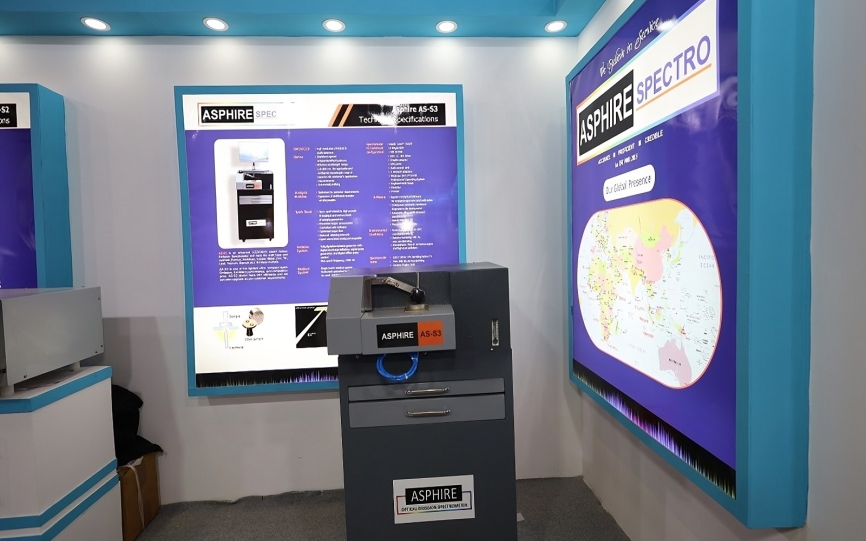
Indian manufacturers and suppliers of Spark OES systems serve a range of industrial applications where dependable elemental analysis is required. Their role can extend beyond supplying an instrument to include application guidance, installation, training, calibration support, troubleshooting, and maintenance.
Understanding the customer’s testing environment is important during equipment selection. A system intended for a large steel plant may have different operational requirements from one used by a smaller foundry or engineering laboratory.
Suppliers that understand these differences can help customers identify suitable configurations according to sample types, testing frequency, required elements, available workspace, and production conditions.
Application-Specific Instrument Configuration
Every manufacturing facility does not necessarily require the same OES configuration. The appropriate setup depends on the materials being analyzed and the level of analytical performance required.
For example, manufacturers working with ferrous alloys may have different testing priorities from organizations analyzing aluminium, copper, or other non-ferrous materials. Sample dimensions, surface preparation, testing frequency, and required elemental ranges can also influence equipment selection.
A properly configured system can make routine testing more efficient while reducing unnecessary complexity for operators.
Integration With Quality-Control Operations
Spark OES analysis becomes more useful when it fits smoothly into an organization’s existing quality-control process.
Production teams can use test results to verify incoming materials, check alloy grades, monitor production batches, and confirm finished-product composition. Connecting analytical results with internal documentation and quality procedures can also make traceability easier.
Before purchasing equipment, companies should therefore consider how samples will be collected, prepared, tested, recorded, and reviewed after installation.
Compliance, Calibration, and Measurement Reliability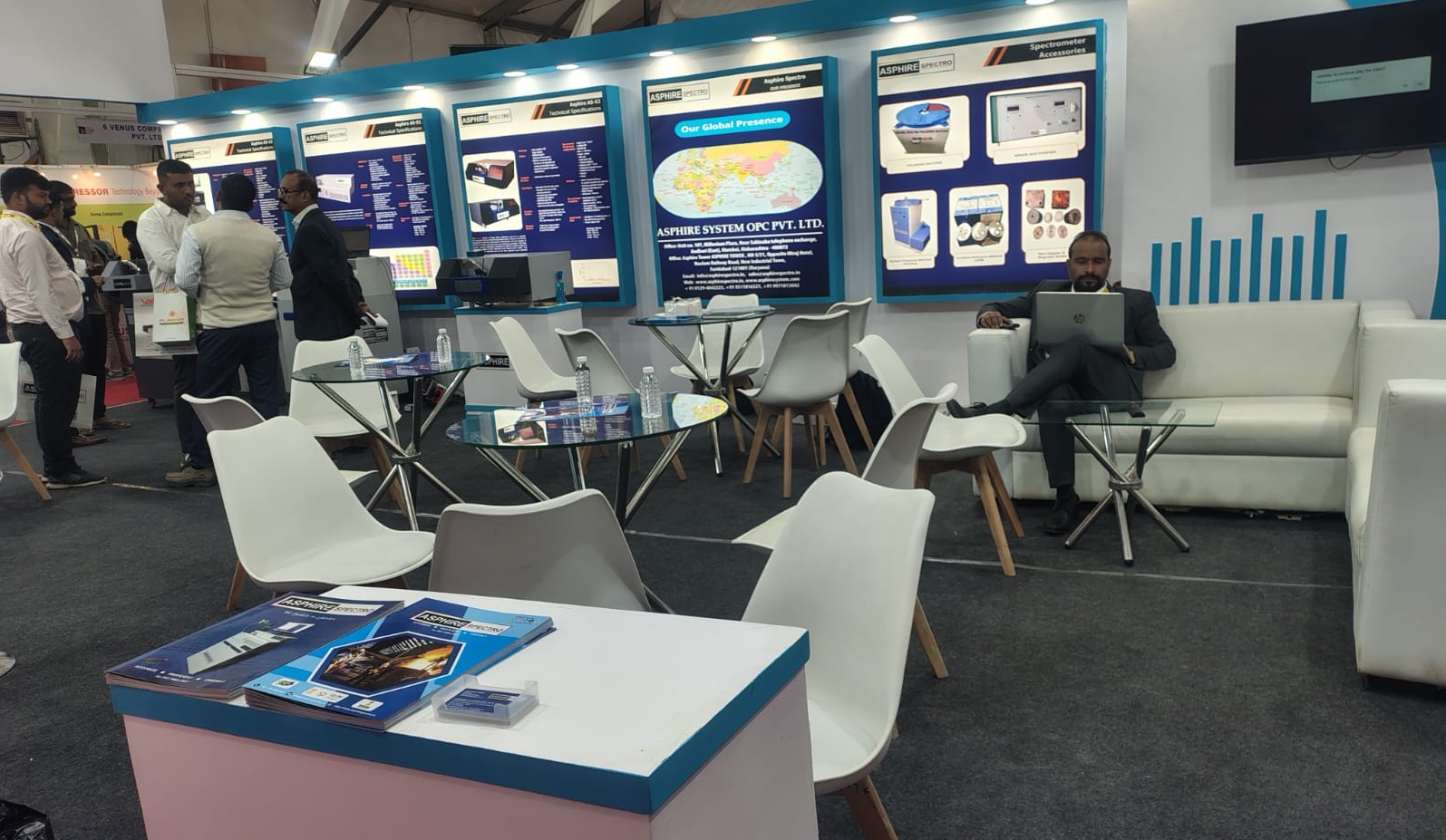
Reliable elemental analysis depends not only on the instrument itself but also on appropriate calibration and measurement practices.
Manufacturers should establish suitable procedures for calibration, reference materials, sample preparation, and routine verification. Maintaining documented testing practices can help quality teams identify changes in instrument performance over time.
Where a facility operates under specific industry or customer requirements, buyers should also review the applicable quality and documentation expectations before finalizing an equipment configuration.
Calibration traceability, supporting documentation, and proper operator procedures can contribute to more consistent analytical results and better quality-control management.
Preparing for Spark OES Installation
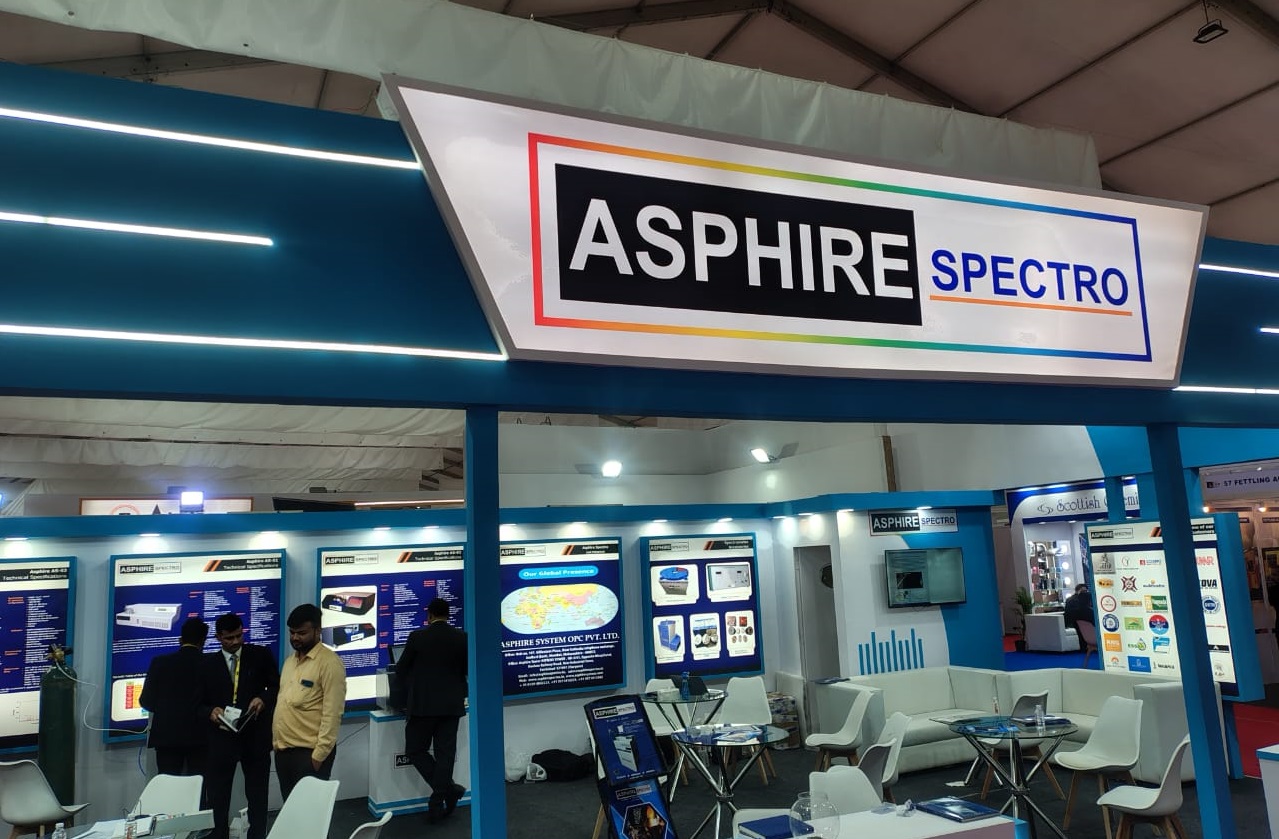
Successful implementation starts before the instrument reaches the production floor. Buyers should evaluate the intended installation area and confirm that the required utilities, workspace, sample-preparation facilities, and operating conditions are suitable.
The organization should also define:
- Types of metals and alloys that will be tested
- Expected number of samples per day
- Elements that need to be measured
- Required analysis speed
- Sample dimensions and preparation methods
- Operator training requirements
- Calibration and maintenance procedures
- Technical support expectations
Clearly defining these requirements helps suppliers recommend equipment based on actual application needs instead of generic specifications.
Operator Training and Workflow Setup
Even a technically capable instrument requires trained personnel for reliable day-to-day operation.
Operators should understand sample preparation, instrument operation, measurement procedures, result interpretation, routine checks, and basic troubleshooting. Proper training can reduce avoidable testing errors and help teams use the available features more effectively.
Manufacturers and suppliers can support this process through installation guidance, operator training, technical documentation, and ongoing assistance.
Maintenance and Calibration Strategies
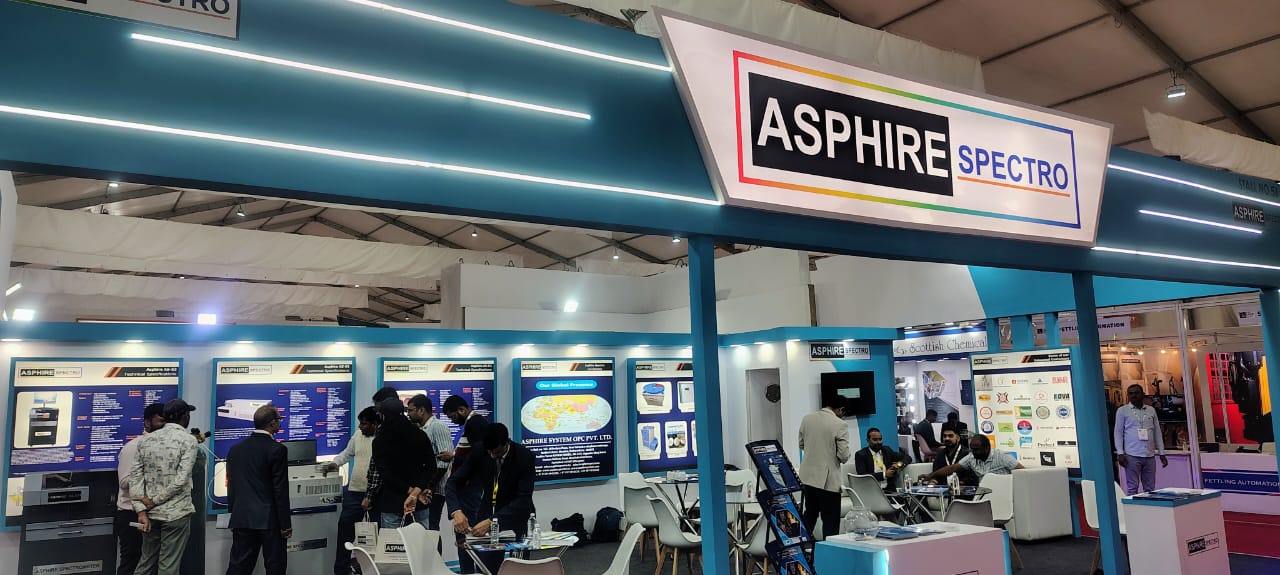
Regular maintenance is essential for maintaining dependable OES performance over an extended operating period.
Routine cleaning can help prevent contamination from affecting measurements, while scheduled inspections can identify potential problems before they result in extended downtime. Calibration and verification should be performed according to the instrument’s operating requirements and the organization’s quality procedures.
Companies should also understand the availability of replacement parts, consumables, service engineers, and technical assistance before purchasing an instrument.
A supplier with an established support structure can make routine servicing and troubleshooting easier, particularly for manufacturing plants where equipment downtime can affect production schedules.
Evaluating Spark OES Suppliers in India
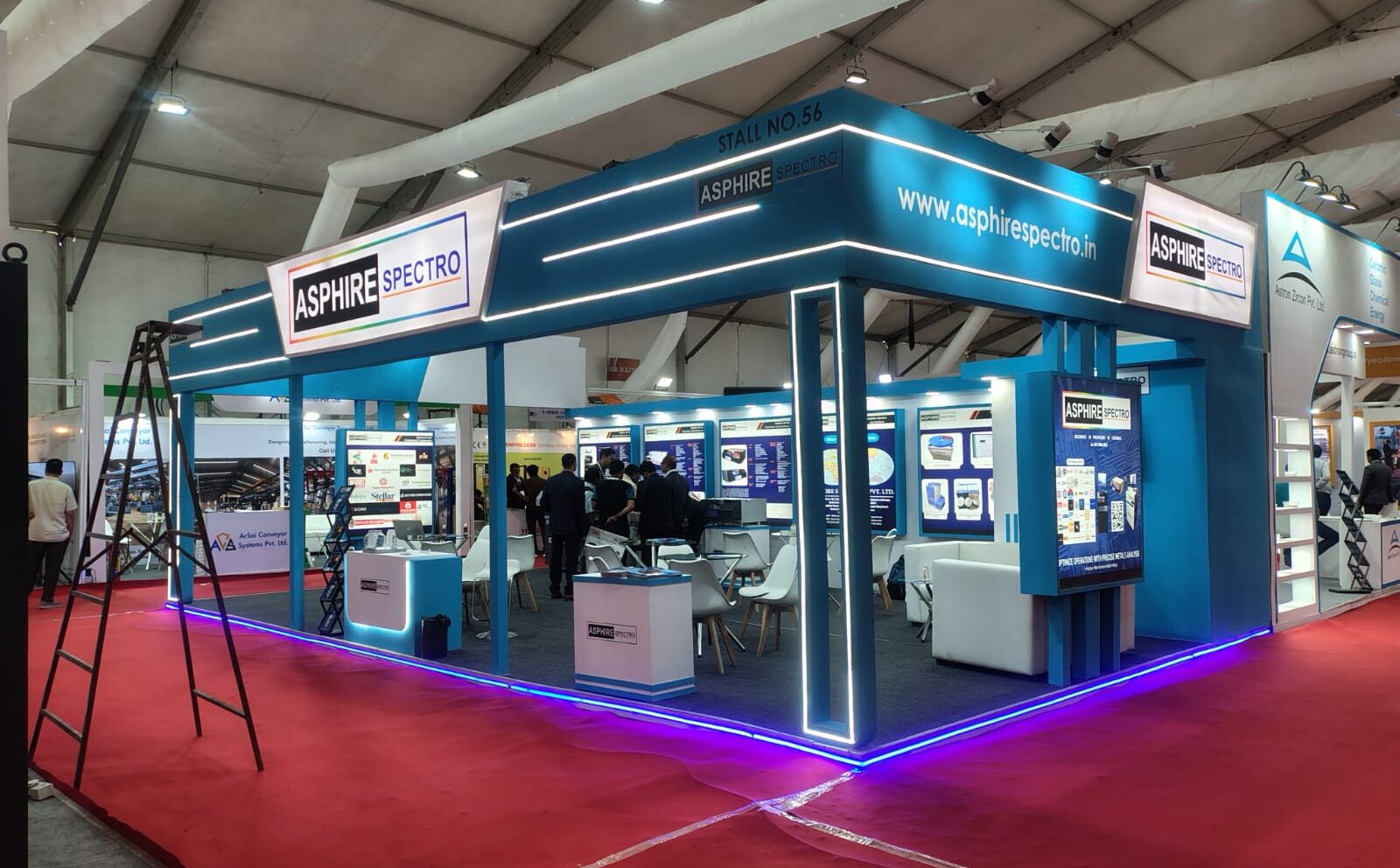
Selecting a supplier should involve a detailed assessment of both the equipment and the support available after installation.
Before making a purchase decision, buyers can review the supplier’s technical documentation, application experience, installation process, training arrangements, warranty terms, maintenance support, and response procedures.
It is also useful to discuss the intended application directly with the supplier. Sharing information about sample materials, testing volume, required elements, and operating conditions allows the technical team to provide more relevant recommendations.
Technical Support and Documentation
Good documentation can make a significant difference in everyday instrument operation. Installation instructions, operating manuals, maintenance procedures, troubleshooting information, and application guidance can help operators handle routine tasks more confidently.
After-sales support is equally important. Buyers should understand how service requests are handled, whether technical assistance is available remotely or on-site, and how replacement components are supplied when required.
Total Cost of Ownership
The purchase price is only one part of the overall cost associated with an OES system.
Organizations should consider installation, training, calibration, maintenance, consumables, replacement components, service contracts, and other recurring expenses when preparing a budget.
Comparing suppliers on total ownership requirements can provide a clearer understanding of the long-term investment involved. A detailed quotation should clearly identify what is included in the equipment package and which services may involve additional charges.
Making a Practical Supplier Selection
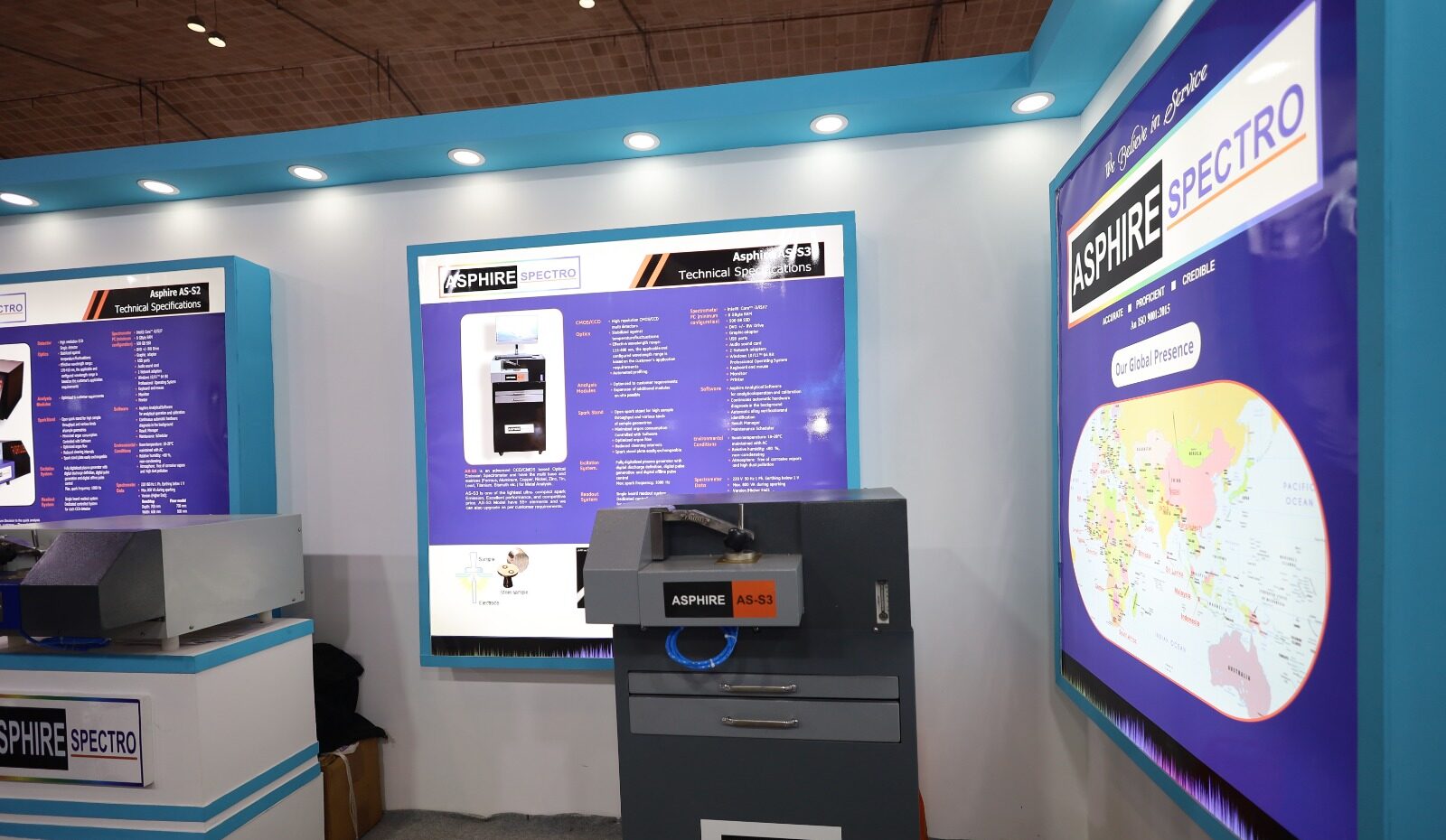
A structured evaluation process can help manufacturing organizations compare available Spark OES solutions more effectively.
Assess: Identify the materials, alloys, elements, sample volume, and testing frequency involved in your application.
Define: Establish the required analytical capabilities, operating conditions, installation requirements, and support expectations.
Compare: Review technical specifications, application suitability, documentation, warranty conditions, maintenance arrangements, and total ownership considerations.
Validate: Discuss sample types and testing requirements with shortlisted suppliers and confirm that the proposed system matches the intended application.
Plan: Consider installation, operator training, calibration, maintenance, and long-term technical support before finalizing the purchase.
For organizations evaluating spark oes spectrometer manufacturers india, this structured approach can make the equipment-selection process more transparent and application-focused.
Frequently Asked Questions (FAQs):
Q1. What is a Spark OES spectrometer used for?
A Spark OES spectrometer is primarily used to determine the elemental composition of metallic samples. It is commonly applied in steel, foundry, automotive, engineering, and metal-processing industries for material identification and quality control.
Q2. What should manufacturers consider before purchasing a Spark OES system?
Manufacturers should consider the materials they test, required elements, analysis speed, sample types, accuracy and repeatability requirements, operating environment, calibration needs, and after-sales technical support.
Q3. Why is calibration important for Spark OES analysis?
Calibration helps maintain the reliability and consistency of analytical measurements. Appropriate reference materials, verification procedures, and regular maintenance can support dependable results during routine testing.
Q4. How important is after-sales support when selecting an OES supplier?
After-sales support can be important because installation, training, troubleshooting, maintenance, calibration, and replacement parts may be required throughout the instrument’s operating life. Buyers should understand the supplier’s support process before purchasing.
Q5. Can Spark OES systems be used for different metal alloys?
Yes, Spark OES systems can be configured for different groups of metallic materials, but the suitable analytical range depends on the instrument configuration and application requirements. Buyers should confirm compatibility with the specific alloys and elements they need to analyze.
🔬 Advancing Quality Control with Reliable OES Technology
Reliable elemental analysis plays an important role in maintaining consistent manufacturing quality and material standards. Spark OES Spectrometer Manufacturers India such as Asphire Spectro provide industry-focused solutions that help businesses achieve accurate testing and dependable quality control. ⚙️📊