
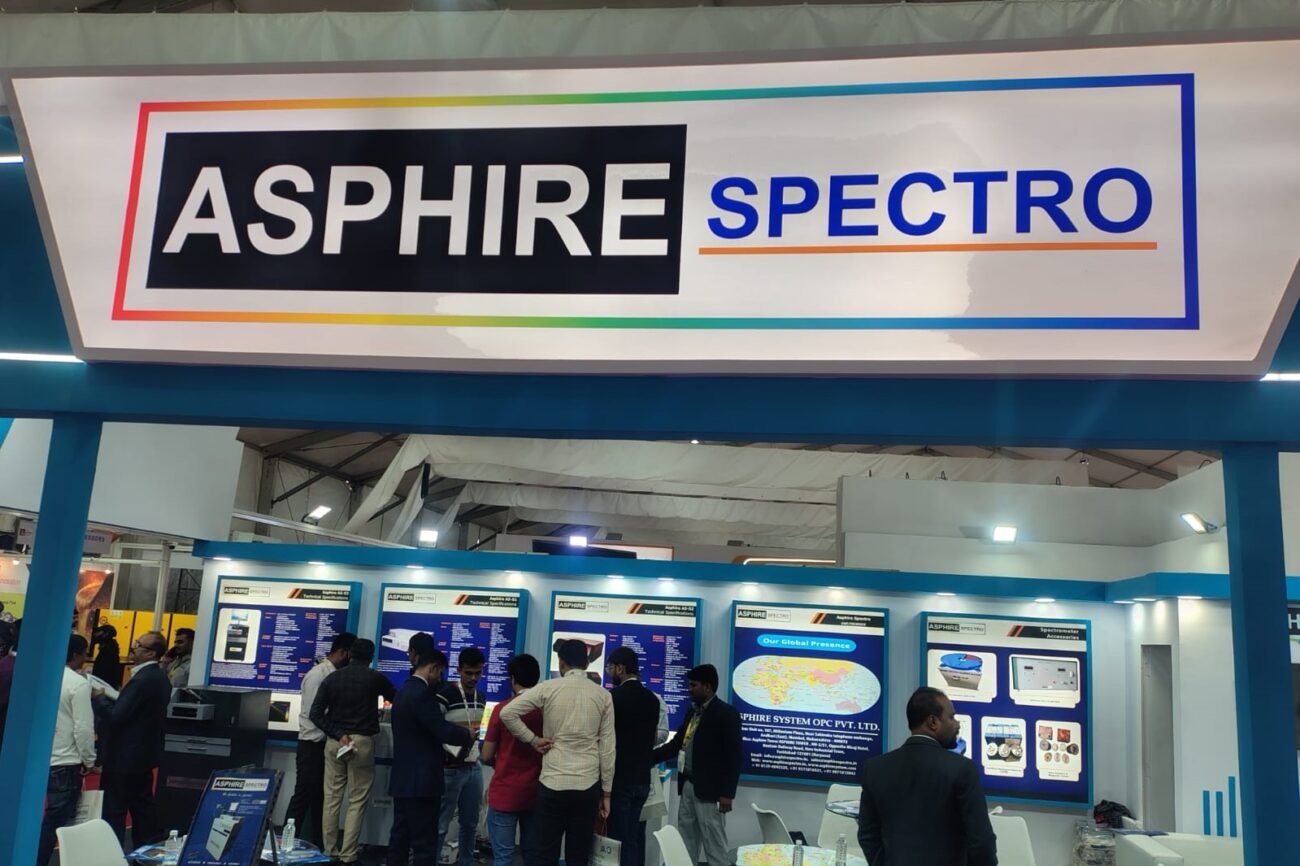
Metal Testing Machine Manufacturers in India with Asphire Spectro
Metal Testing Machine Manufacturers in India play an important role in helping industries maintain product quality, verify metal composition, and meet manufacturing standards. Asphire Spectro provides advanced Optical Emission Spectrometer solutions that help businesses analyse metal alloys, identify elemental variations, and improve quality control processes. With suitable testing equipment and reliable technical support, manufacturers can reduce material errors, maintain consistent production standards, and meet the quality requirements of automotive, engineering, foundry, and metal fabrication industries.
Why Local Sourcing Matters
Choosing a metal testing machine manufacturer based in India offers several practical advantages. Proximity reduces lead times for spare parts and technical support, which is essential for minimizing downtime in high‑volume production environments. Local manufacturers are also more familiar with regional standards such as those set by the Bureau of Indian Standards (BIS) and can incorporate them directly into machine design and calibration procedures. This alignment helps plants avoid costly re‑tooling or re‑certification when expanding operations. Local partners often provide faster response times for on‑site troubleshooting, reducing mean time to repair (MTTR) and supporting lean manufacturing principles.
Key Technical Criteria
When evaluating potential suppliers, focus on technical capabilities that directly impact testing accuracy and repeatability. Look for machines equipped with calibrated load cells, precise displacement sensors, and integrated data acquisition systems. Many manufacturers now pair testing rigs with spectrometer units to provide elemental composition analysis in a single workflow. This combination supports comprehensive material characterization, which is increasingly required for quality assurance in sectors such as automotive components and aerospace alloys. Additionally, consider the machine’s stiffness, natural frequency, and damping characteristics, as these factors influence dynamic measurement fidelity especially during high‑speed tensile or fatigue tests. A robust frame design minimizes deflection under load, ensuring that the measured force reflects true material behavior rather than structural compliance.
Integration with Spectrometer Systems
Modern metal testing machines often need to interface with spectrometer platforms to capture both mechanical properties and chemical signatures. Providers that offer built‑in communication protocols (such as Ethernet IP, Modbus TCP, or OPC UA) simplify the setup of automated reporting lines. Companies like Asphire Spectro provide end‑to‑end solutions for manufacturing plants, combining metal testing equipment with spectrometer technology to streamline data flow and reduce manual entry errors. When integrating, verify that the testing machine’s software can synchronize timestamps with the spectrometer’s spectral data, enabling correlated analysis of mechanical strength versus elemental composition. This capability is vital for detecting subtle variations such as trace impurity effects on ductility or hardness.
Regulatory Compliance in India
Compliance with Indian and international standards is a non‑negotiable factor for any metal testing operation. Manufacturers should demonstrate adherence to ISO 9001 for quality management and ISO/IEC 17025 for testing laboratory competence. Additionally, machines must meet the requirements of the Digital Personal Data Protection Act, 2023 when handling test data that includes proprietary material information. Documentation of calibration cycles, maintenance logs, and software version control should be readily available to auditors. It is also advisable to confirm that the supplier’s calibration traceability follows national standards laid out by the National Physical Laboratory (NPL), India, ensuring that measurement results hold up under scrutiny from both domestic regulators and international certification bodies.
Selecting the Right Partner
The selection process can be broken down into four practical steps. First, define the specific testing parameters required for your product line, including maximum load capacity, speed of testing, and desired data output formats. Second, request detailed technical specifications and arrange on‑site demonstrations to verify that the equipment fits within existing floor plans and utility provisions (power, compressed air, data cabling). Third, evaluate after‑sales support options such as warranty terms, service response times, and availability of trained technicians across key production sites. Finally, compare pricing models that include not only the initial capital cost but also ongoing maintenance, software updates, training expenses, and potential costs for future upgrades to accommodate evolving standards.
Cost Structure and ROI Considerations
Capital expenditure for metal testing machines in India typically ranges from INR 15 lakhs to INR 45 lakhs, depending on capacity and integrated features. Operating costs include routine calibration, consumable sensors, and optional software licenses for data analytics. Return on investment is often realized through reduced scrap rates, faster batch release, and compliance with export standards that demand rigorous material verification. Conduct a detailed cost‑benefit analysis that accounts for downtime reduction and quality improvements over a three‑year horizon. Factor in intangible benefits such as enhanced brand reputation, easier access to global supply chains, and the ability to qualify for government incentives linked to advanced manufacturing capabilities.
Best Practices for Ongoing Operations
Once a machine is installed, establish a preventive maintenance schedule that aligns with the manufacturer’s recommendations. Keep detailed logs of each test run, including environmental conditions and any anomalies observed. Implement a change‑management protocol for software upgrades to ensure that new features do not disrupt existing workflows. Regularly review performance metrics against key performance indicators such as test repeatability, data integrity, and mean time between failures. Additionally, schedule periodic inter‑laboratory comparisons or proficiency testing programs to validate that your machine’s results remain consistent with external benchmarks, thereby reinforcing confidence in your quality assurance data.
Frequently Asked Questions
Q. What factors influence the pricing of metal testing machines from Indian manufacturers?
Pricing is driven by machine capacity, precision level, and the inclusion of advanced features such as integrated spectrometer connectivity. Additional costs arise from customized control panels, multilingual user interfaces, and extended warranty periods. Shipping, installation, and training expenses also contribute to the total cost of ownership.
Next Steps: Moving Forward with Confidence
- Define clear testing objectives aligned with product specifications and regulatory requirements.
- Prepare a requirement matrix that maps mechanical, chemical, and environmental test needs to machine capabilities.
- Shortlist at least three metal testing machine manufacturers in india that demonstrate local support and compliance credentials.
- Request proof of concept trials or pilot runs to evaluate repeatability, ease of use, and data integration.
- Negotiate service level agreements that guarantee response times, spare part availability, and software update policies.
- Plan for workforce training programs covering operation, maintenance, and data interpretation.
- Implement a change control board to review any modifications to testing protocols or software configurations.
- Schedule quarterly performance reviews against KPIs and adjust preventive maintenance intervals as needed.
🔬 Ensure Quality with Reliable Metal Testing Solutions!
Looking for trusted Metal Testing Machine Manufacturers in India? Asphire Spectro offers advanced OES solutions to support accurate metal analysis and reliable quality control. ⚙️✨ Choose the right testing technology to improve efficiency and maintain consistent material standards. ✅