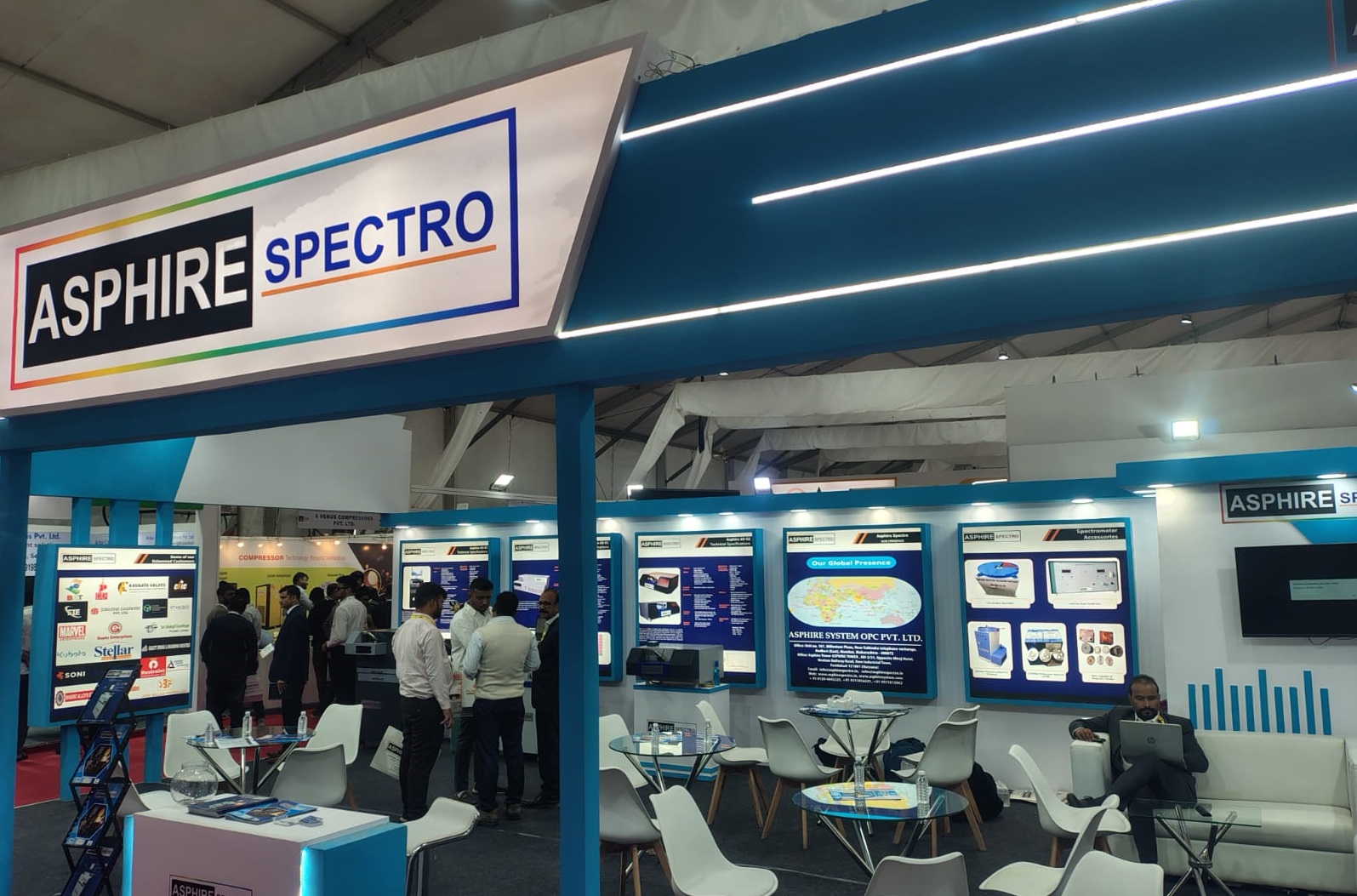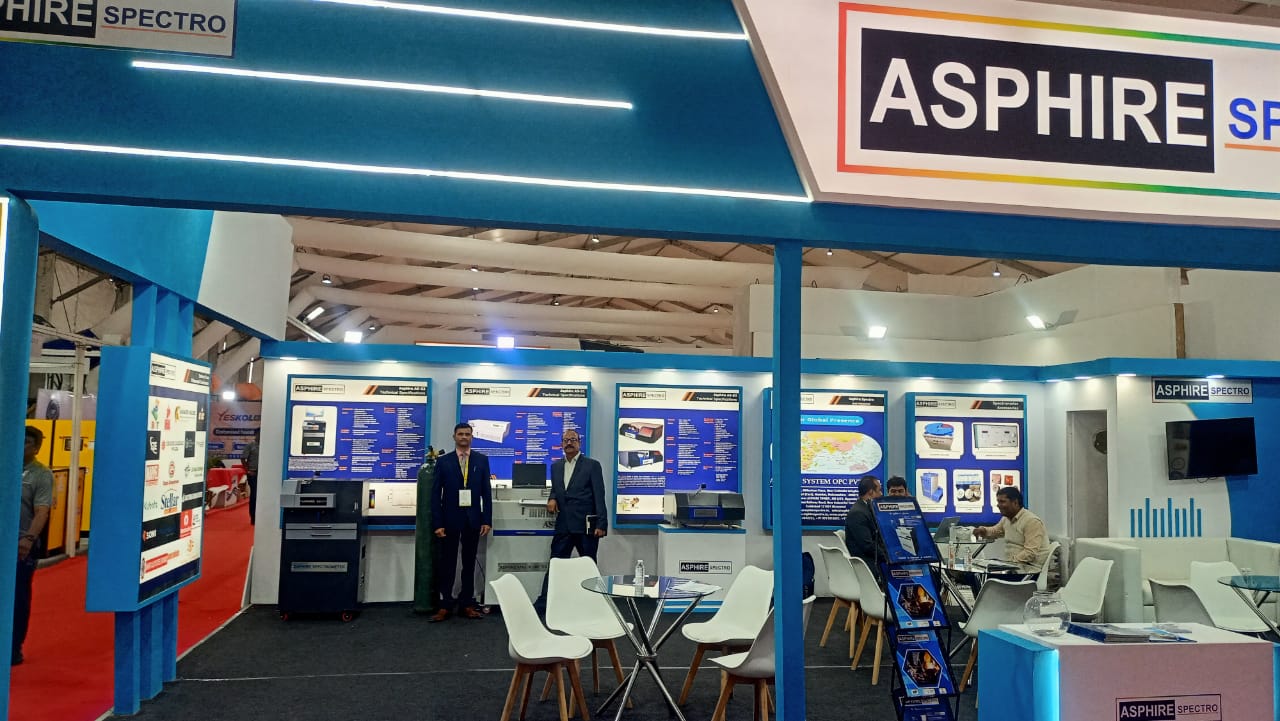
Best Optical Emission Spectrometer for Metal Testing with Asphire Spectro
Best Optical Emission Spectrometer for Metal Testing plays an important role in achieving accurate elemental analysis, consistent quality, and reliable testing results. Whether you work with steel, aluminium, copper, or different alloys, the right spectrometer should offer precision, stability, fast analysis, and easy operation. Asphire Spectro provides advanced spectrometer solutions designed to support efficient metal testing and quality control across various industrial applications. Selecting the right instrument according to your material and testing requirements can help improve accuracy, reduce errors, and ensure dependable results.
Why Optical Emission Spectroscopy Remains the Standard for Metal Analysis
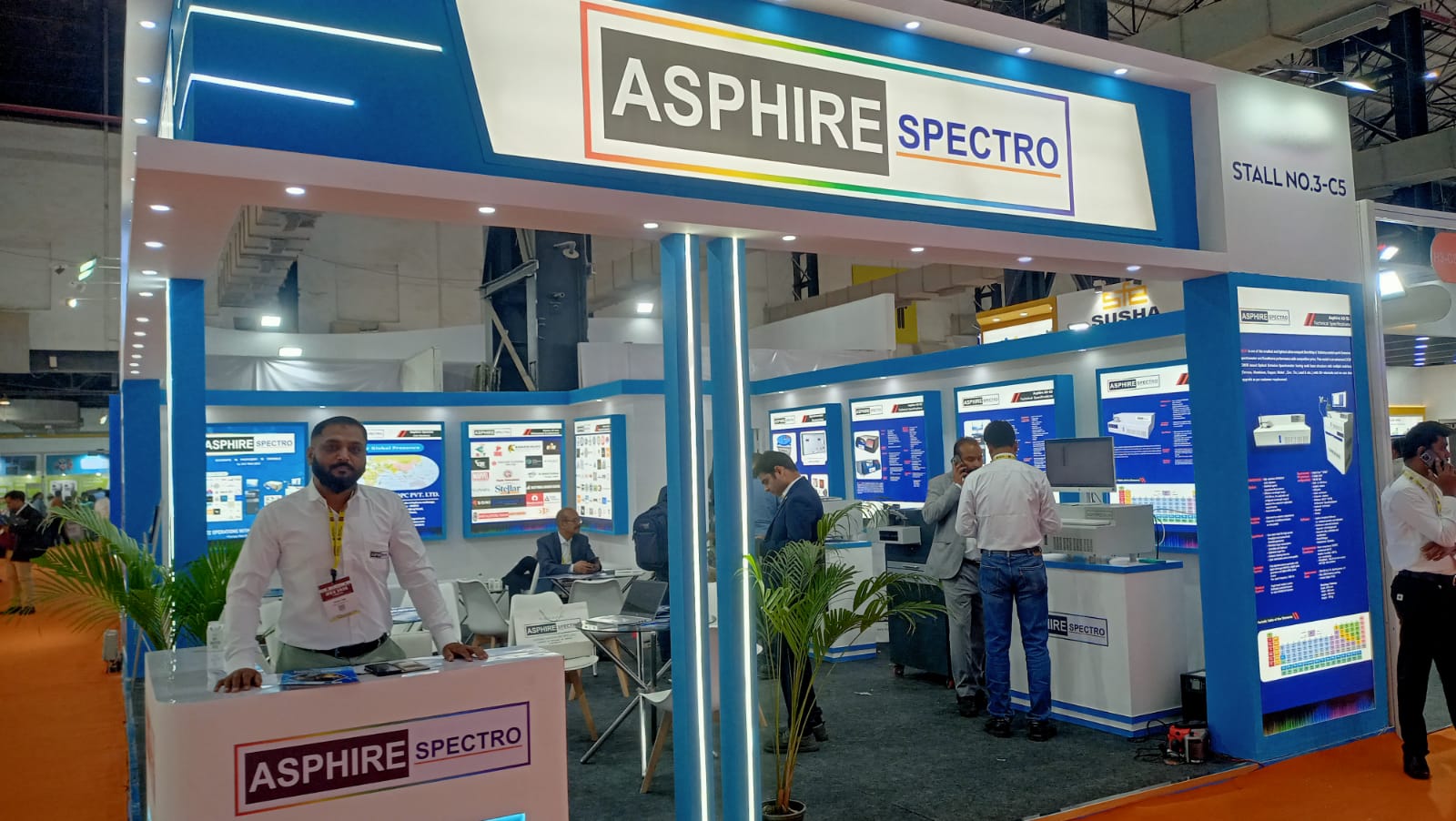
Optical Emission Spectrometry (OES) remains a trusted technology in metallurgical laboratories because it delivers fast and accurate elemental analysis directly from solid metal samples. The Best Optical Emission Spectrometer can provide detailed elemental results within seconds, helping industries make quick quality-control decisions. Compared with traditional wet chemistry methods, OES offers faster testing with less sample preparation, while also providing strong detection capabilities for critical elements such as carbon, nitrogen, and sulfur. This makes OES highly valuable for maintaining material quality, verifying alloy composition, and ensuring consistent production standards.
Speed and Precision: Finding the Right Balance
The Best OES Spectrometer for Metal Testing should deliver fast results without compromising analytical accuracy. Advanced instruments allow users to adjust testing parameters according to their requirements, making them suitable for both quick routine checks and detailed quality analysis. This balance of speed and precision helps industries maintain productivity while ensuring reliable material verification.
Full-Spectrum Analysis for Evolving Testing Requirements
A high-performance Optical Emission Spectrometer can analyze a broad range of wavelengths simultaneously, providing greater flexibility for future testing needs. This capability allows laboratories to examine additional elements from previously tested samples when new quality standards or material requirements arise, reducing the need for repeated testing and improving overall laboratory efficiency.
Key Hardware Components to Consider in an OES Spectrometer
Hardware quality plays a major role in the durability, stability, and long-term performance of a spectrometer. Before selecting any model, it is important to evaluate the build quality and carefully inspect the key components. Strong construction, reliable internal parts, and consistent performance can make the instrument more dependable for regular industrial use and reduce maintenance concerns over time.
Spark Source Stability for Consistent Testing
The spark source plays a vital role in producing reliable excitation during elemental analysis. The Best Optical Emission Spectrometer for Metal Testing should provide stable and controlled spark energy to maintain consistent results across repeated measurements. Reliable spark performance is especially important when testing materials with uneven compositions, such as cast iron, where sample variations can affect analytical results.
Optical Resolution and Grating Performance
High optical resolution is essential when analyzing complex alloys containing closely positioned spectral lines. A Optical Emission Spectrometer with a high-quality grating can effectively distinguish nearby emission wavelengths and reduce spectral interference. This helps improve the accuracy of elemental identification, particularly when analyzing specialty steels containing elements such as vanadium and titanium.
Understanding Detection Limits for Accurate Metal Analysis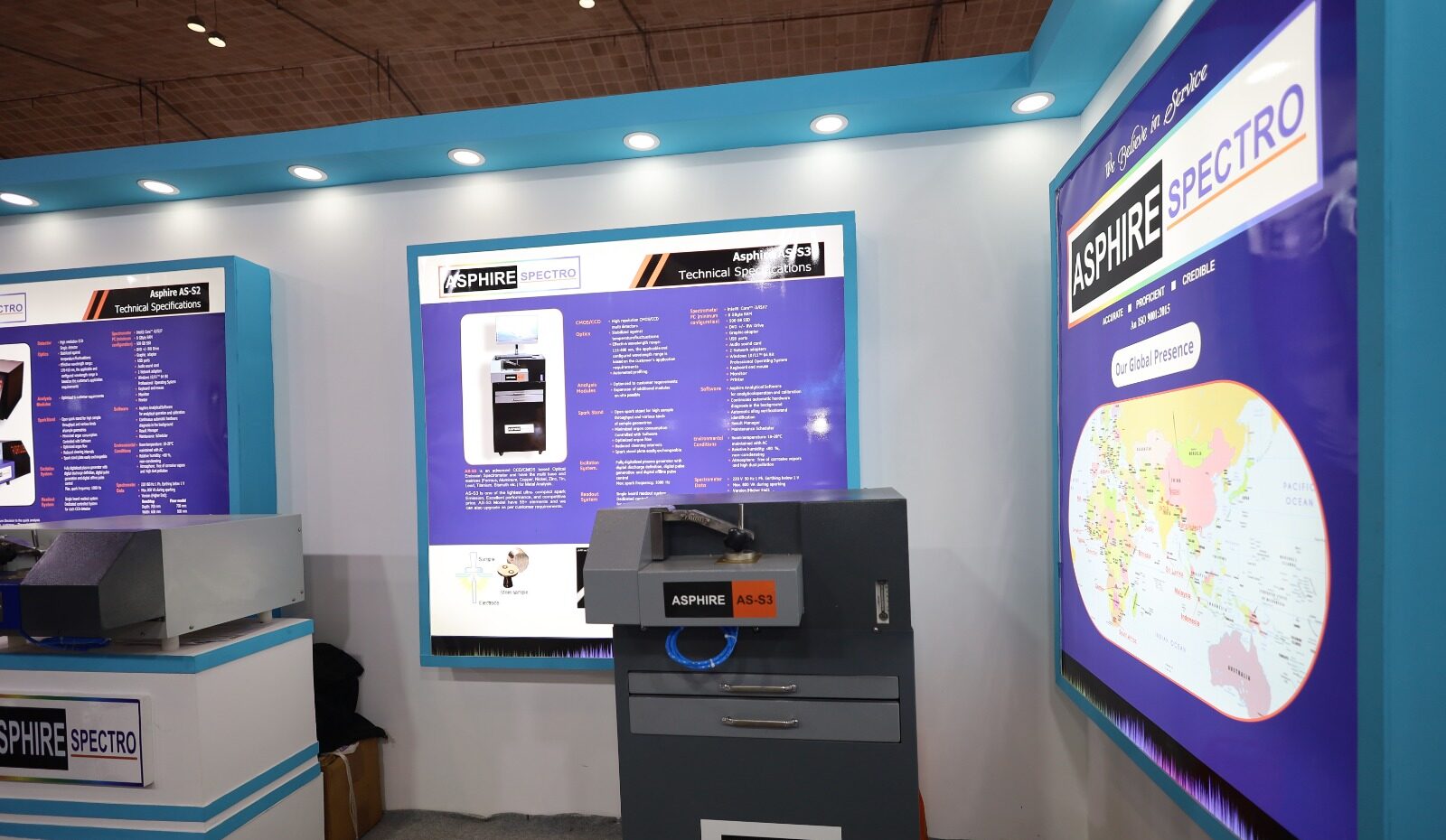
Manufacturers may highlight impressive detection-limit figures, but laboratory specifications do not always reflect real industrial conditions. A high-performance OES metal analyzer should maintain reliable sensitivity and consistent results even when operating in demanding factory environments. Dust, temperature changes, and regular production use can affect performance, so practical detection limits and stable day-to-day operation are important factors when evaluating an instrument for industrial metal analysis.
Detecting Light Elements with Greater Precision
Elements such as carbon, phosphorus, sulfur, and nitrogen can significantly influence the strength, weldability, and overall quality of structural metals. A high-precision optical emission spectrometer should provide dependable sensitivity for these elements, especially when they are present in very small concentrations. Strong deep-UV performance is also important because certain wavelengths can be absorbed by air, potentially affecting measurement accuracy.
Reliable Trace Element Analysis for Advanced Alloys
Specialized alloys often require accurate measurement of trace elements such as boron, zirconium, and cerium, where even small variations can influence material performance. A high-sensitivity metal analysis spectrometer should deliver consistent results at very low concentrations to support demanding quality standards. Asphire Spectro focuses on spectrometer solutions designed to provide stable analytical performance for advanced alloy testing and industrial quality control.
Why Asphire Spectro Stands Out in Reliable Metal Testing
Asphire Spectro focuses on delivering stable and dependable performance even when testing conditions change throughout the day. Temperature fluctuations in industrial environments can affect instrument stability and may lead to repeated calibration requirements. A reliable OES metal analysis system should be designed to minimize the impact of thermal changes, helping laboratories maintain consistent measurements and reduce unnecessary interruptions during routine testing.
Advanced Thermal Control for Consistent Performance
Asphire Spectro incorporates temperature-management features to help maintain stable optical performance despite changes in the surrounding environment. Minimizing the effect of temperature fluctuations can reduce measurement drift and limit the need for frequent recalibration. This makes the system a practical choice for industrial facilities operating through varying seasonal and working conditions.
Modular Construction for Faster Maintenance
Unexpected equipment downtime can affect productivity and testing schedules. Asphire Spectro uses a modular design that can simplify troubleshooting and component replacement, helping maintenance teams restore operation more efficiently. Easy access to key components can reduce service time and keep the Best Optical Emission Spectrometer available when consistent testing is essential.